

Unlocking Hope: Global Action Plan for the Health and Future of Indigenous Peoples
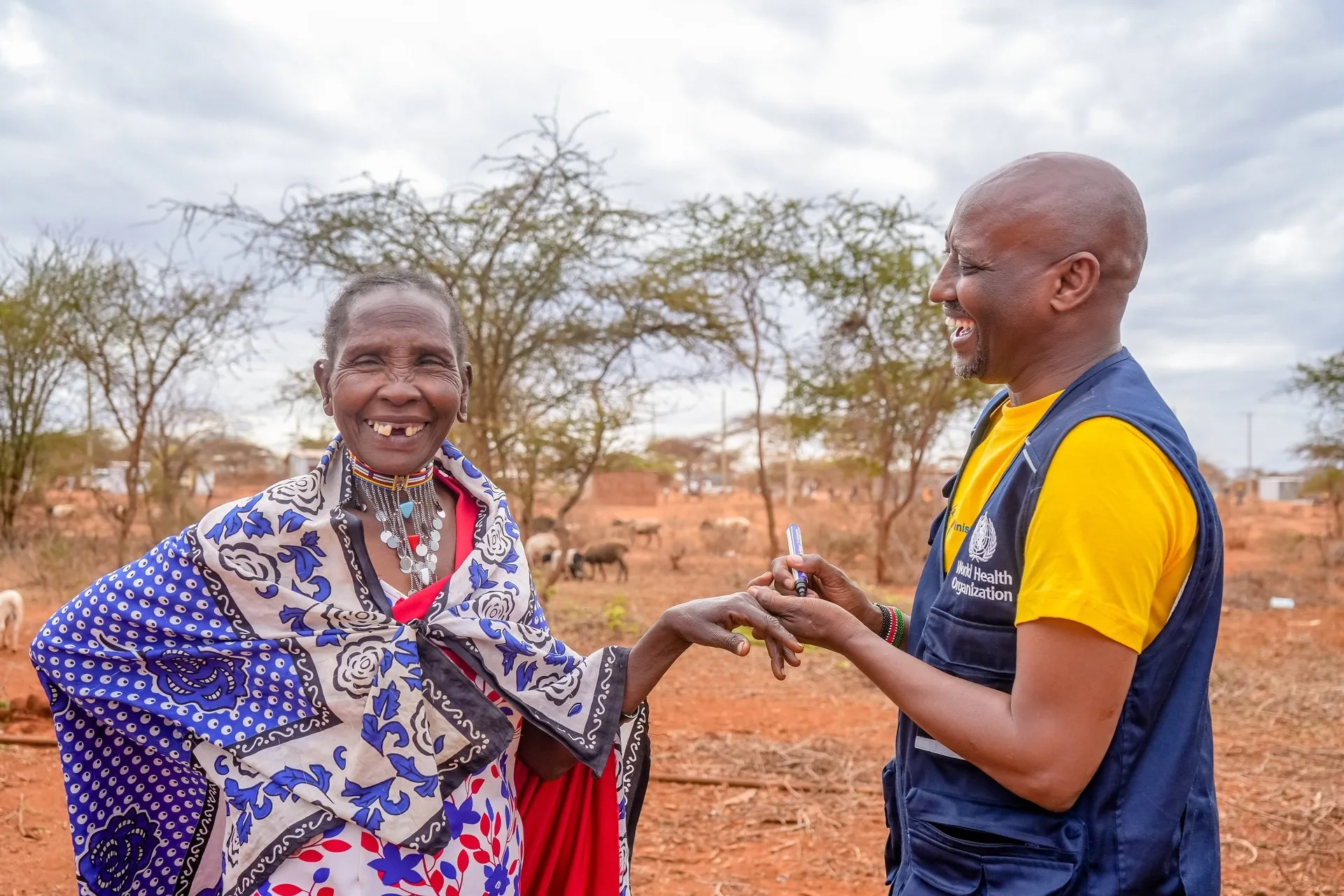
Hope and health intertwine as world leaders craft a global plan aimed at securing brighter futures for Indigenous peoples, focusing on lasting health and cultural respect.
Charting a New Course—Indigenous Health on the Global Stage
Health isn’t just about clinics, vaccines, or bandages—it’s the heart of a community’s strength. And for Indigenous peoples worldwide, health has always been closely tied to land, language, traditions, and family. So, when the World Health Organisation (WHO) recently announced plans for a sweeping global action plan focusing on Indigenous health, it kindled something powerful: real, cautious optimism.
But, let’s be honest—global declarations don’t always change daily life. Yet, this initiative carries real promise. Why? Because it’s focused on not just treating illness but on restoring dignity, building trust, and fighting root causes of poor health, from housing to education. The goal? For Indigenous peoples to thrive, not simply survive.
Listening First—Collaboration Fuels the Action Plan
You know what’s refreshing? This time, Indigenous communities will help shape the policy—not just receive it. Too often, big ideas rain down from above with little ground-level understanding. Here’s the thing: communities already know what works (and what doesn’t). Listening to them isn’t just polite; it’s essential.
Indigenous voices across the globe—Maori, Sámi, First Nations, Adivasi, Mapuche, and more—will drive the conversation, drawing on generations of healing wisdom and practical survival. That means learning from how Inuit elders support mental wellness or how Aboriginal health workers bridge cultural divides in Australia. The toolkit is vast, and the world is finally taking notes.
Cultural Resilience—More Than Just Medicine
Let me explain because this part is crucial: Medicine isn’t always about pills. Indigenous health solutions have always leaned toward community, storytelling, food, gardens, and spiritual connections to land. Western healthcare often misses these nuances, and, unfortunately, the results too often show up in cold statistics—higher infant mortality rates, lower life expectancy, and more cases of diabetes or heart disease among many groups.
But imagine if clinics looked more like community centres, where elders lead language classes or plant medicine walks. Or if doctors and traditional healers worked side by side, stitching together the best of both worlds. That’s no pie-in-the-sky dream—it’s happening in places already, and this plan aims to nurture those seeds worldwide.
Barriers and Broken Promises—Naming the Hard Truths
Let’s not sugarcoat it: progress has often been halting, sometimes reversed. Colonial history left deep scars—dispossession, loss of language, and forced assimilation. In many places, promises to protect Indigenous health have slipped below the radar or been underfunded, sometimes with tragic results. Tackling these issues head-on means facing the uncomfortable legacy of past missteps and missed opportunities.
But there’s hope—because honest conversations are happening. The new plan doesn’t shy away from words like ‘reparation’ and ‘justice.’ It calls for addressing the social determinants of health, meaning the water people drink, the schools kids attend, and the jobs families can find—plus cultural safety in hospitals and clinics. In short, the atmosphere is shifting from ‘why bother’ to a roll-up-your-sleeves, ‘let’s fix this together’ energy.
Science Meets Storytelling—Towards Holistic Well-being
When we talk about health, sometimes it sounds a bit…clinical. But real well-being is a patchwork—science, for sure, but also story, song, and collective memory. The new global plan takes this seriously, vowing to blend modern medical research with centuries-old healing traditions.
- Data with context: Gathering numbers is easy, but policymakers are now asking what those numbers mean for real families and real communities.
- Culturally respectful research: Indigenous-led studies, where language, customs, and priorities set the agenda.
- Practical solutions: From clean water projects in remote villages to mobile health services that travel by canoe or snowmobile.
There’s a sense here of merging the best of what’s new with the best of what’s always been. That takes humility and flexibility—qualities this blueprint aims to embody.
Children, Future, and Faith—Why This Work Matters
So, why all the effort? Why fuss over global meetings and thick documents? Here’s why: every child, no matter their heritage, deserves a shot at health and happiness. Across Canada, the Americas, Australia, Asia, and Africa, Indigenous youth are bursting with creativity, resilience, and ambition—when given a fair shake.
Imagine a future where Indigenous health is measured not just by disease rates, but by the strength of cultural identity and community love. Where a child in Nunavut or the Amazon can dream as big as anyone else. This global action plan is a promise—a patch sewn onto the larger quilt of justice and respect. And honestly, the world could use more hope right now, don’t you think?
Rolling Up Sleeves—What’s Next in Indigenous Health Equity
This isn’t a one-and-done memo. The WHO and its partners plan yearly progress reports, check-ins with community leaders, new funding models, and more. They’ll measure what matters—how many clinics are staffed by locals, how many languages are kept alive, how many families feel safe walking into a health centre. That way, the plan won’t just gather dust on a shelf. It’ll stay alive and accountable.
The project timeline stretches beyond 2025, aiming for real, lasting impact. The hope is to see investments not just in treatments and hospitals but also in scholarships for Indigenous medical students, mental health retreats shaped by elders, and international alliances that share wisdom across borders.
Connections, Curiosity, and Continuing the Conversation
Let’s be real: change on this scale takes grit. But every step forward—every new partnership, every revived language, every healthier child—makes a difference. If you want to follow along, the WHO news portal offers updates, while organisations like the UN Permanent Forum on Indigenous Issues continue to push boundaries.
So, whether you’re a policy wonk, a nurse, an educator, or someone who just cares about fairness, keep watching—better yet, get involved. This story is just beginning, and the next chapter is being written by many hands, in many languages, for a healthier, fairer world.

Can you be more specific about the content of your article? After reading it, I still have some doubts. Hope you can help me. https://accounts.binance.info/en/register?ref=JHQQKNKN
I loved as much as you’ll receive carried out right here. The sketch is tasteful, your authored material stylish. nonetheless, you command get bought an impatience over that you wish be delivering the following. unwell unquestionably come more formerly again as exactly the same nearly a lot often inside case you shield this hike.
Không chỉ sở hữu chứng nhận hợp pháp bởi CURACAO Gaming, 66b app còn được đánh giá cao khi toàn bộ trang web đều vận hành đảm bảo theo tiêu chuẩn mã hóa SSL 12 Bit. Chúng tôi nói không tuyệt đối với những hành vi xâm nhập từ bên thứ ba không rõ nguồn gốc. TONY02-02O
I don’t think the title of your article matches the content lol. Just kidding, mainly because I had some doubts after reading the article.
F*ckin’ awesome things here. I’m very happy to see your post. Thanks so much and i’m having a look ahead to touch you. Will you kindly drop me a mail?
I am perpetually thought about this, thankyou for posting.
I don’t think the title of your article matches the content lol. Just kidding, mainly because I had some doubts after reading the article.
Hãy đăng ký tài khoản chính thức tại slot365 net để trực tiếp trải nghiệm sự chuyên nghiệp và đón nhận những cơ hội may mắn không giới hạn. TONY03-16H