




Survivor Reveals Pahalgam Terror Nightmare and Urgent Plea to Modi
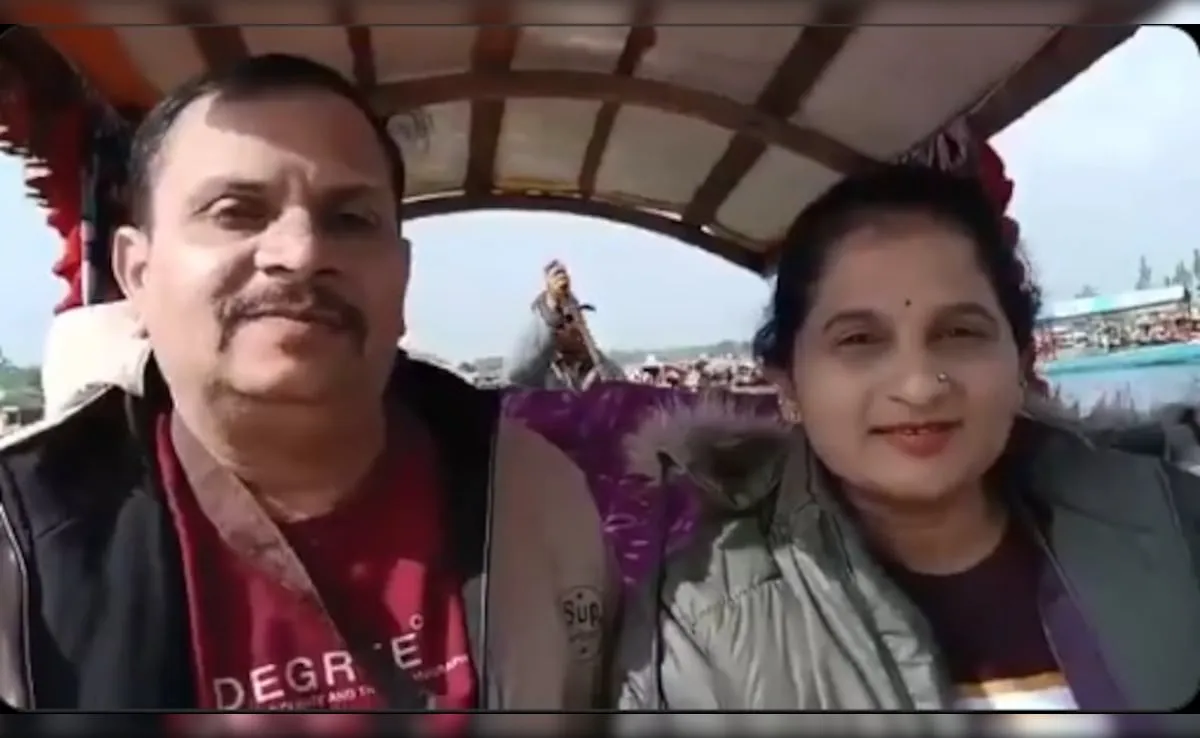
Survivor’s chilling account of the recent Pahalgam terror attack highlights harrowing moments and pleas for immediate government action. Read their story now.
Nightmare in Pahalgam: Survivors Recall Horror and Helplessness
Some moments change a life forever—sometimes, you hardly realise you’re living through them until it’s all over. Last night in Pahalgam, bustling with tourists and laughter just hours before, things took a dark and terrifying turn. Suddenly, gunshots rang out. In a matter of heartbeats, panic replaced peace. One survivor, Sachin Sharma, remembers gripping his seat, his breaths quick and shallow. “It sounded like firecrackers at first. But then people started screaming—we all knew it wasn’t a celebration,” he said, his voice still shaky.
This wasn’t just another tragic headline. It was chaos made real: passengers huddling close, shielding children, a phone slipping from trembling hands, prayers whispered under a barrage of bullets. If you’ve ever felt a sudden coldness when fear pricks your skin, you know what those trapped in the Pahalgam bus felt last night—absolute dread mixed with disbelief.
Sachin Sharma’s Testimony: A Survivor’s Cry for Help
Sachin Sharma, a tourist from Uttar Pradesh, boarded the bus filled with what he thought would be new friendships and vacation memories. That evening, he found himself ducking for cover, counting seconds, hoping for a miracle. “They just came out of nowhere. First shots, then smashing glass. I held my niece so tight—I just kept telling her not to worry. But honestly, I wasn’t sure I’d see tomorrow.” His words hung in the air—there’s a rawness you can’t fake when someone’s been that close to death.
Even as medical teams patched up wounds and police swept the surroundings, Sachin made a simple yet urgent plea. “Go, tell Modi-ji. Tell him we’re not safe. We came to see beauty, not to become victims.” His message is one millions will echo: insecurity isn’t an abstract threat; it’s as real as the cuts and bruises that survivors take home.
Pahalgam: From Haven to Horror
For decades, Pahalgam has been the stuff of postcards—mountains wrapped in morning mist, streams dancing over stones, meadows where wildflowers bow as horses pass. Yesterday, all that faded. Just one night, yet it’s enough—fear can stain a place for years. That’s happened here before; older locals remember the difficult days, when curfews were the norm and news of violence always came before breakfast.
The difference this time, locals say, is the sense of betrayal. “We thought things were better. The government said tourists could come, that it was safe,” said Yasmin, who runs a guesthouse steps from the site. “I know police can’t be everywhere, but—how much more can we take?”
Security in Kashmir: The Ongoing Struggle
Security isn’t just about numbers—armed patrols, steel barricades, checkpoints. It’s about trust. When violence returns to a tourist bus in Pahalgam, people everywhere ask, What went wrong? Is it intelligence failures, sheer bad luck, or something deeper?
Analysts point out that Kashmir’s security landscape is, honestly, like playing chess on a board that keeps changing shape. There are always more pieces than you can see—local politics, international meddling, community sentiment. Recent years have seen tourist numbers slowly inch back up, and authorities have ramped up visible patrols. Still, as last night proved, danger finds gaps.
Plea to Prime Minister Modi: What Comes Next?
You might wonder: Does a plea shouted from a hospital stretcher ever reach the people who can make a difference? Survivor Sachin Sharma thinks it must. “This is why we vote, right? For someone to take care of us when we can’t take care of ourselves. I’m just scared—will anything actually change?” His voice, thin but determined, echoes. Sachin isn’t alone. Everyone after an attack like this wonders if their pain will lead to reform or just fizzle out in the day’s news cycle.
The prime minister’s office has condemned the attack, police promise a detailed probe and tighter security, and politicians have called for calm. But those affected are left wishing for a bit more than words—a tangible step forward. The need is for empathy but also rapid policy action: better coordination, faster response, and perhaps even a fresh approach altogether.
Healing and Hard Questions: How Do We Move Forward?
For the families of those hurt, recovery will be a long, uneven road. Some wounds are easy to bandage; others linger. Children flinch at shockingly small sounds; adults check the locks more than usual. Local businesses—already reeling from previous slowdowns—fear another slump in visitors. The violence ripples out: one bus, but thousands affected in spirit, if not in flesh.
Tourism may dip, anxious parents may cross Pahalgam off their holiday lists, and yet life goes on. Local leaders call for “unity and resilience”—sometimes that’s all you can manage. But the bigger question is, when will Kashmir and places like Pahalgam truly feel safe again? Well, that’s a story still waiting for its ending.
Tourism Industry Impact: A Ripple Through the Valley
If you’ve ever strolled through Kashmir’s crowded markets, you know how much this region depends on visitors. It’s not just hotels and shikara rides—every kebab stall, every pony handler, every craftswoman weaving pashmina depends on open roads and safe passage.
After the attack, the mood among tourism operators is sombre. Many fear cancellations and another summer in the red. But hope, as always, runs quietly underneath. “We’ll clean up, we’ll comfort tourists, we’ll pray for peace,” says Rafiq, a tour guide for over two decades. “We always meet people who want to see beauty—maybe that’s our own tiny act of bravery.”
What Locals Want: Action, Not Assurances
If you stop any local in Pahalgam today, they’re likely to nod at the security forces, thank paramedics, and still demand more. The people here crave change they can feel—safer buses, community vigilance, better communication when something does go wrong (and let’s face it, things sometimes do). They want visits from leaders, but more importantly, action on the ground, not just in speeches.
- Safer tourist routes, marked by increased police presence
- Emergency hotlines that actually respond—fast
- Stronger coordination between local guides and law enforcement
- More transparency after incidents, so rumors don’t fuel panic
Honestly, nobody expects miracles, but everyone needs a sign that things can get better. That’s where government, industry, and community must come together—there’s no quick fix, but there’s no other way forward either.
Looking Ahead: Lessons Pahalgam Teaches
It’s no exaggeration to say that yesterday changed Pahalgam; the echoes will last long after the news vans have left. There’s a resilience built into these valleys—a kind of stubborn hope that tomorrow, the sun will slip past the peaks and things will start healing. But as Sachin Sharma’s voice reminds us, hope needs help. And a tourist’s call—“Go, tell Modi”—may be the spark needed to keep this conversation in the open, far longer than the next news cycle.
For those looking to support or just learn more, stay informed through trusted news sources. And if your heart aches for the valley’s people, don’t look away—that’s how stories like Sachin’s find real meaning: when we remember, and when we push, together, for a safer tomorrow.
Read more updates and survivor stories on NDTV’s dedicated report.
Thank you for your sharing. I am worried that I lack creative ideas. It is your article that makes me full of hope. Thank you. But, I have a question, can you help me? https://www.binance.info/register?ref=IHJUI7TF
**mitolyn official**
Mitolyn is a carefully developed, plant-based formula created to help support metabolic efficiency and encourage healthy, lasting weight management.
As I web site possessor I believe the content matter here is rattling magnificent , appreciate it for your efforts. You should keep it up forever! Best of luck.
Can you be more specific about the content of your article? After reading it, I still have some doubts. Hope you can help me.