





Pope Francis’ Monumental Legacy: The Heartfelt Drive for Social Justice
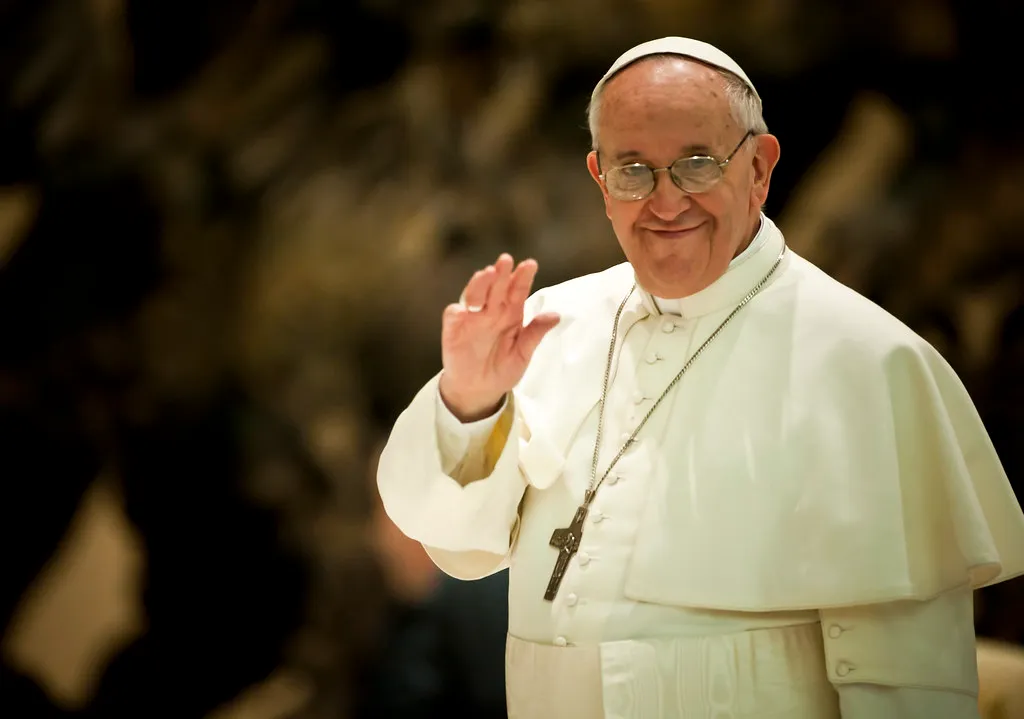
Pope Francis’ compassion-driven legacy powerfully reshaped Catholic priorities, inspiring global action on social justice, poverty, and human dignity.
Pope Francis and Social Justice: Leaving a Legacy that Matters
It’s tough to picture the modern Catholic Church without that familiar image: Pope Francis, simple white robes, sleeves rolled up, hugging a child or listening quietly to a refugee’s story. Since his election in 2013, he’s left an unmistakable mark—a legacy that’s as much about bold gestures as quiet empathy. So, what really sets him apart? Well, social justice isn’t just a buzzword with Francis; it’s a daily, sometimes gritty, reality.
Social Justice: More Than a Motto
Let’s talk turkey. For many leaders, social justice can sound like a distant ideal, something nice on paper. Pope Francis, though, has always treated it like an urgent to-do list. He’s leaned into hard conversations about inequality, migration, and environmental care, often ruffling feathers inside and outside the Church. You could say he’s the pope who made headlines not for pomp—remember the simple Fiat instead of a flashy car?—but for rolling up his sleeves.
He’s repeatedly said, “How I would like a church that is poor and for the poor!” And, honestly, that’s not just a catchy line. Francis called on everyone—ordinary Catholics, politicians, even business leaders—to make a fuss for those left at the margins.
Radical Ideas? Or Just Returning to Roots?
Here’s the thing: Some critics see his stances as radical. Others say he’s just dusting off old teachings. Catholic Social Teaching, after all, has long championed the dignity of every person and solidarity. But Francis injects these with newfound urgency. He visits slums, preaches from makeshift outdoor altars, and—just imagine this—washes prisoners’ feet on Holy Thursday. He doesn’t just talk about serving the poor; he gets down into the dirt with them.
Fighting Poverty: Not Just Lip Service
Let’s look at some nuts and bolts. Francis hammered away at the causes—and sharp consequences—of poverty. He’s called capitalism to task for “excluding the poor,” and he’s urged Catholics, world leaders, and anyone who’ll listen to put the needy first. And, isn’t it telling that one of the first things he did was to ask for the world’s prayers before giving his papal blessing? Talk about humility setting the tone.
In fact, you might’ve heard about the annual World Day of the Poor—Francis started it. He’s tried to move Catholic charity beyond mere handouts to advocacy for fair wages, education, and better living conditions. His writings, like the encyclical Laudato Si’, bring home how poverty and the environment are tightly linked. It’s all connected, he insists—care for people, and you care for the planet, too.
A Global Voice for the Forgotten
It’s no secret: migration and refugee crises are hot-button issues. Pope Francis, pulling zero punches, traveled to Lampedusa to mourn migrants lost at sea and challenge Europe’s “globalization of indifference.” Not exactly the usual Friday afternoon for a pope. He greets migrants by name, holds their hands, and reminds the world: “These are real people, not numbers.”
And yet, he’s faced bumps in the road. Not all Catholics—or governments—embrace his tone. Critics, sometimes within Church walls, argue he’s too political. But Francis, steady as ever, replies: “Defending the dignity of the poor is not being a communist, it is the demand of the Gospel.” You can bet that stirred up some dinner table debates.
Pope Francis and the Environment: A Green Revolution?
Here comes something fresh—even, dare we say, groundbreaking. Francis put climate change on the Church’s global agenda like never before. In Laudato Si’ (“On Care for Our Common Home”), he sounded the alarm about pollution, waste, and climate disaster—not just as science, but as a matter of faith and justice.
“Throwaway culture,” he calls it, doesn’t just trash the environment; it ruins lives. The poor, as always, take the hardest hits from polluted water, changing weather, or failing crops. And once again, the pope links hands-on charity with big-picture policy, urging everyone—from schoolkids to presidents—to care for creation.
Bridging Generations and Faiths
You might wonder, does his message reach beyond Catholics? Actually, yes. Francis meets with imams, rabbis, Buddhist monks, and young activists like Greta Thunberg. He’s not shy about crossing lines for shared goals—think world peace, climate action, or fighting hunger. Sometimes, it feels like he’s almost everywhere at once, reminding us that kindness isn’t just a Catholic thing; it’s human.
Bringing the Church Closer to the People
Now, here’s a paradox worth pondering: Pope Francis leads a centuries-old institution, but he keeps urging it to be open, flexible, and close to ordinary folks. He’s promoted listening sessions with lay people and even young adults—a group that sometimes feels ignored in Church halls. That Synod on Synodality you might’ve heard about? It’s Francis’ big experiment in humility, pushing leaders to “walk together” with their flocks instead of handing down orders.
Sometimes, he challenges Catholics to get out of their comfort zones, to “smell like the sheep.” That’s one way of saying: Don’t wait for the needy to come to you. Go out, find them, and welcome them. How’s that for a challenge in 2024?
Facing Criticism and Pushing Ahead
It’d be naïve to ignore that Francis has stirred controversy. His open talk on LGBTQ rights, women’s roles, or divorce has ruffled more than a few cassocks. Sometimes, the world seems to love him more than some inside his own house! Still, he plows ahead, insisting the Church can be both faithful to tradition and open to the Spirit’s surprises.
And honestly? Isn’t a bit of holy trouble exactly what a two-thousand-year-old institution needs now and then?
The Ripple Effect: Social Justice in Action
Francis’ social justice legacy isn’t just words from a balcony. It’s showing up in local parishes, soup kitchens, Catholic schools, and even grassroots political movements. Communities worldwide—think Peru, the Philippines, or Philadelphia—have launched new projects in his spirit, serving meals, sheltering refugees, fighting for clean water, and speaking up at city councils.
- Pope Francis set up shower stalls for Rome’s homeless—right next to the Vatican.
- He’s met with prisoners, abuse survivors, and sex workers, offering apologies or comfort, not lectures.
- His Twitter feed? Full of direct, sometimes challenging, calls for justice and joy.
Bit by bit, he’s shown that “Pope” isn’t a distant, gilded title. It’s hands-on leadership—sometimes messy, often controversial, but always rooted in something real.
Looking Back—And Ahead
The honest truth? Historians will debate Pope Francis’ legacy for decades. Traditionalists may mutter. Progressives will cheer. Yet, it’s hard to ignore the seismic shift in tone, focus, and energy since he first appeared on that balcony in 2013, quietly asking the world to pray for him. His legacy is written not just in papers or speeches, but in the lives moved, challenged, and—yes—made a little more hopeful.
Maybe his biggest lesson is simple: social justice isn’t an abstract idea for someone else to figure out. It’s a call, right now, for each person, community, and society to make the world just a little fairer. And you know what? That’s not a bad legacy to leave.
For more context and a visual perspective, check out the full segment at PBS NewsHour’s coverage.
Want to explore Catholic social justice teaching or see more on leaders making a difference? Check out our related stories:
An interesting discussion is worth comment. I think that you should write more on this topic, it might not be a taboo subject but generally people are not enough to speak on such topics. To the next. Cheers
I don’t think the title of your article matches the content lol. Just kidding, mainly because I had some doubts after reading the article. https://accounts.binance.info/si-LK/register-person?ref=LBF8F65G
I don’t think the title of your article matches the content lol. Just kidding, mainly because I had some doubts after reading the article.
Your article helped me a lot, is there any more related content? Thanks!