




Kyiv Marks Uneasy Easter Amid Crumbling One-Day Ceasefire Between Russia and Ukraine
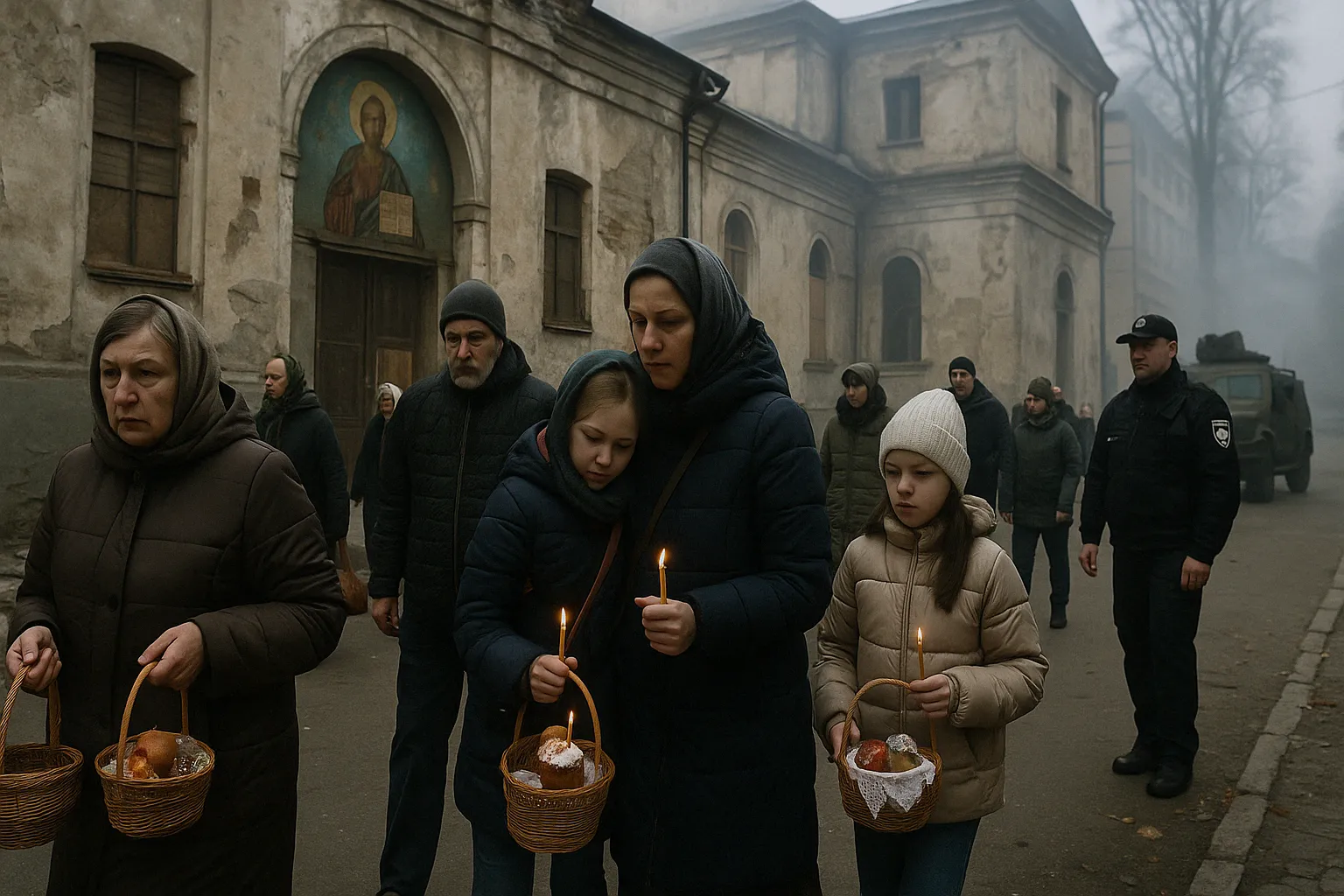
Kyiv’s uneasy Easter unfolds under fragile one-day ceasefire, with war’s shadow casting doubt, hope, and reflection across Ukraine’s capital city.
Kyiv Easter: Tradition Meets Turmoil
Easter in Kyiv usually means bright churches, crowded bakeries, and jokes about who’s hosting the egg-cracking contest. But this year? “Uneasy” barely covers it. On Sunday, believers gathered across the Ukrainian capital, clutching baskets full of sweet paska bread and painted eggs. Candles flickered. Some sang; others just let the hymn wash over them. You could feel the weight of everything—war doesn’t just vanish because the calendar says ‘celebration.’
The city stirred with something like hope, but sharp-eyed folks noticed smaller crowds near Saint Michael’s and Sofiivska squares. People hurried in and out—some smiling, others glued to their phones. Even the golden domes seemed less radiant, half-lost behind gray clouds. Honestly, it was hard to miss the tension under all that tradition.
Ceasefire Spotlight: Ukrainian and Russian Worries
This year’s Easter came with a twist: a rare, Russian-announced, one-day ceasefire along parts of the front. On paper, it promised a precious pause—time for both soldiers and civilians to swap danger for baked treats. But like an Easter egg with a cracked shell, this truce was fragile.
People around Kyiv had learned not to put too much stock in announcements. Was it just for show? Social media buzzed with rumors of shelling near Bakhmut, and in Telegram groups, folks compared alerts—did you hear explosions last night? “Trust, but verify,” an older man mumbled near Pechersk Lavra. Ukrainians have gotten used to being on guard, and, sadly, they’re good at it.
You know what’s odd? Even with all the military jargon—ceasefires, demilitarized zones, escalation control—it comes down to a human thing: do you trust what your enemy says? Kyiv’s answer, these days, tends to be a cautious ‘no.’
Easter Traditions Under Strain: Faith and Festivities
You might expect the war would keep joy out of the holiday, but that’s not exactly how things work here. Instead, Easter traditions have turned bittersweet. Kids still giggled over colored eggs, but adults packed those same eggs and slices of kulich with bandages and canned meat for relatives near the frontline. “It’s strange to be baking when my son’s in a dugout,” one mother whispered, eyes bright with unshed tears.
Down narrow city lanes, you’d spot clusters of worshippers lighting candles for absent friends or recent losses. The mixture of scents—incense, candle wax, and distant smoke—hung in the air. Easter baskets doubled as care packages, and tiny icons rode along with instant coffee and batteries. It’s improvisation, Ukrainian style.
- Paska is shared, but with more prayers whispered than jokes.
- Pealing church bells ring—but over the whir of generator engines.
- Patrol cars linger nearby, just in case the truce stumbles.
Ceasefire Reality: A Pause Full of Doubt
How does a city keep faith under a temporary truce? Some just shrugged. Others watched TV news at kitchen tables, searching for proof that the shelling had truly stopped—at least for a few hours. In Irpin, churches opened their doors early and police stood guard, memories of last year’s devastation never far behind.
Yet, there were heartbeats of optimism. For a moment, the sky seemed quieter. Maybe, just maybe, children could play outside a little longer before being called back down to the cellar. But the city listened, tense, for the sound of air raid sirens. The relief was real—but it never quite relaxed into comfort. Let me explain: even a one-day break feels risky when it could fray at any moment.
Wartime Prayers: Balancing Anger and Grace
Across the capital, priests offered special blessings “for peace and victory.” It was different from the usual Easter script—prayers wrapped in words about protection, resilience, and justice. In one church, an elderly deacon made a quick, quiet plea for missing children. A chorus of “Amen” followed, small but fierce. Honestly, it would’ve cracked even the hardest heart.
There’s something about hardship that brings out strange combinations: anger and forgiveness co-exist, like hot tea poured into a chipped mug. You might think peace is the only thing people prayed for, but actually, more than a few whispered for strength, vengeance, and safe returns. Complex, right? Maybe that’s just what hope looks like when the world’s upside down.
Out on the Streets: Everyday Courage
Daily life in Kyiv is like a weird logic puzzle. Sirens one minute, Easter cakes the next. Streets echo with both laughter and the sound of distant artillery. Taxi drivers swap news about checkpoints while teens post photos from candlelit Masses on Instagram.
Resilience isn’t just a slogan here. It’s sneaking fresh bread to an elderly neighbor, or standing by as volunteers pack food trucks bound for Mykolaiv. Shopkeepers, exhausted but smiling, wish each other “Khrystos voskres!”—Christ is risen. For a moment, it feels almost normal, before reality crashes back in.
Kids, Parents, and the Strange Normal
It’s tough on kids, obviously. Families gathered for egg hunts jumped at loud noises. Parents balanced celebration with reminders: “Don’t wander far—just in case.” But denying them joy? Out of the question. Some families held mini feasts closer to bomb shelters, just to be safe. War, it turns out, can’t steal everything.
Political Overtones: Leaders and Skeptics
President Volodymyr Zelenskyy’s Easter message hit all the right notes—solidarity, faith, “We will endure.” His words played on radio stations across Ukraine, blending into the soundtrack of the day. City officials urged calm and reminded folks not to gather in large crowds, citing safety. You could sense the careful dance between hope and wariness—a paradox Ukrainians know all too well.
Critics scoffed at the truce, branding it a cynical ploy. “Easter or not, Moscow can’t be trusted,” a local blogger posted. Others pointed to the sheer stress of seeking calm, if only for a few hours. Still, for one Sunday, it seemed worth trying.
What’s Next? Lingering Hopes and Open Wounds
By evening, the ceasefire looked less like a gift and more like an old promise made in bad faith. Sporadic shelling crept back into headlines. Air raid alerts flashed on screens near Maidan square. If peace felt like a visitor, it left without saying goodbye.
Yet, in Kyiv’s battered heart, something stubborn remains; call it faith, or stubbornness, or the world’s simplest wish: next year, let it be over. Kyiv’s uneasy Easter might not have brought the miracle people wanted, but it proved one thing—hope can smolder even where cold winds blow the hardest.
For more on the latest updates straight from Kyiv during wartime holidays, check out the full story at NBC News: Kyiv Celebrates Uneasy Easter Amid One-Day Ceasefire.
Your article helped me a lot, is there any more related content? Thanks!
Thank you for your sharing. I am worried that I lack creative ideas. It is your article that makes me full of hope. Thank you. But, I have a question, can you help me?
Thanks for sharing. I read many of your blog posts, cool, your blog is very good. https://accounts.binance.info/en-ZA/register-person?ref=B4EPR6J0
Can you be more specific about the content of your article? After reading it, I still have some doubts. Hope you can help me. https://www.binance.com/register?ref=IHJUI7TF
Hmm it looks like your site ate my first comment (it was super long) so I guess I’ll just sum it up what I had written and say, I’m thoroughly enjoying your blog. I as well am an aspiring blog writer but I’m still new to the whole thing. Do you have any tips and hints for newbie blog writers? I’d really appreciate it.
xn88 đăng nhập có mục “Review từ thành viên” – chia sẻ trải nghiệm thật từ người chơi, giúp bạn có cái nhìn đa chiều trước khi quyết định tham gia. TONY02-21